


Utah Criminal Defense Attorney
Former Prosecutor. Strategic Defense for High-Stakes Criminal Cases
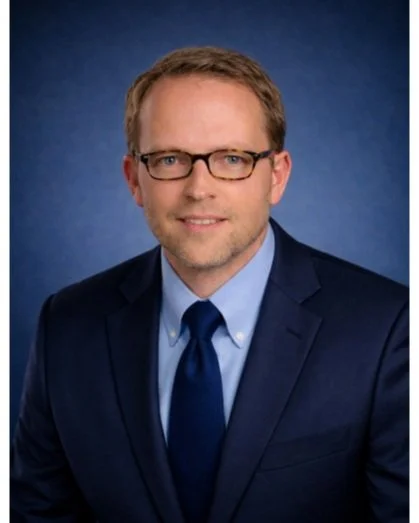
Andrew McAdams — Criminal Defense Attorney for Serious Felonies, Investigations, and High-Stakes Cases in Northern Utah.
If you are facing criminal charges or believe you may be under investigation in Utah, the decisions you make early can shape the entire case.
That is especially true in serious felony cases, sex crime investigations, white collar allegations, drug cases, violent crime accusations, DUI matters, and investigations involving phones, search warrants, or police interviews. The first conversation with law enforcement, the first search request, the first statement, and the first charging decision can all affect what happens months later in court.
Andrew McAdams is a Utah criminal defense attorney and former felony prosecutor who represents clients in serious criminal cases throughout Northern Utah. He is the founder of McAdams Law PLLC in Bountiful, Utah, and works directly with clients facing active investigations, pre-charge matters, pending criminal charges, and high-stakes felony prosecutions.
Before becoming a defense attorney, Andrew served as a prosecutor with the Cache County Attorney’s Office and the Maricopa County Attorney’s Office, one of the largest prosecutorial agencies in the United States. In that role, he reviewed evidence, worked with detectives, evaluated criminal investigations, negotiated serious cases, and prepared felony matters for trial.
That experience now works exclusively for the defense.
Andrew understands how prosecutors think because he has made charging decisions from inside the system. He knows how police reports are evaluated, how witness credibility is weighed, how digital evidence is interpreted, how search warrants are reviewed, and how prosecutors decide whether to file, reduce, negotiate, or try a case.
That perspective matters when your future is on the line.
Former Prosecutor Experience Now Used for the Defense
Most people facing criminal allegations do not know what is happening behind the scenes.
They may know that police want to talk. They may know that a warrant was served. They may know that a loved one was arrested. They may know that a detective has been calling. But they usually do not know how the case is being built, what prosecutors are looking for, or whether the State’s theory is already taking shape before charges are filed.
Andrew has seen that process from the inside.
As a prosecutor, he worked with investigators while cases were being developed. He reviewed reports before charges were filed. He evaluated whether the evidence was strong enough to proceed. He negotiated felony cases and prepared them for trial. He saw how small facts could change charging decisions and how early statements, search issues, witness inconsistencies, and digital evidence could determine the direction of a case.
That background shapes how he defends clients today.
A strong defense is not just about reacting to what the State has already filed. It is about understanding how the prosecution got there, what assumptions were made, what evidence was emphasized, what facts were ignored, and where the case may be vulnerable.
In serious criminal investigations, that insight can be critical. Detectives may already be gathering statements, reviewing phones, executing warrants, examining records, and preparing reports for prosecutors before the person under investigation understands the risk. Early defense work can help protect constitutional rights, prevent avoidable statements, preserve favorable evidence, and challenge the State’s version before it hardens.
Why Prosecutor Insight Matters in Criminal Defense
Former prosecutor experience is not valuable because it sounds impressive.
It is valuable only if it changes how the defense is built.
Andrew uses that background to evaluate cases the way prosecutors evaluate them. That means looking at credibility, proof problems, trial risk, suppression issues, witness weaknesses, charging leverage, and the difference between what police believe and what the State can actually prove.
In many criminal cases, the first police report makes the case look stronger than it is. Reports often summarize facts in a way that favors the State. They may leave out context. They may understate uncertainty. They may treat witness claims as reliable before they have been tested. They may describe digital evidence as obvious even when account access, device ownership, context, or intent remain disputed.
The defense has to slow that process down.
If the case involves a police interview, Andrew examines whether the statement was voluntary, whether Miranda issues exist, whether the person understood the risk, and whether investigators used the interview to fill gaps in the State’s evidence.
If the case involves a search, he looks at whether officers had lawful authority, whether a warrant was supported by probable cause, whether the warrant was too broad, and whether the search exceeded constitutional limits. In cases involving phones, homes, vehicles, cloud accounts, business records, or online data, early search warrant challenges can change the entire direction of the case.
If the case involves digital evidence, he examines not only what police claim the evidence shows, but how it was collected, preserved, interpreted, and attributed to the client.
The goal is simple: do not let the State’s first version become the only version.
Direct Attorney Involvement From the First Call
When people contact a defense lawyer, they are usually dealing with fear, uncertainty, and pressure.
They need clear answers. They need strategy. They need someone who can explain what is happening without exaggerating the risk or minimizing the seriousness of the situation.
Andrew works directly with clients from the beginning. Clients are not treated like file numbers. They are not handed off without explanation. They are given a clear understanding of where the case stands, what the immediate risks are, what evidence needs to be reviewed, and what decisions should be avoided until the defense has a plan.
That direct involvement matters most in the early stages.
If police want an interview, the decision whether to speak should not be made casually. If officers ask for consent to search a phone, vehicle, home, or account, that decision can affect the entire case. If prosecutors have not yet filed charges, defense intervention may still influence how the case is screened. If charges have already been filed, the next steps may involve release conditions, preliminary hearing strategy, discovery review, suppression motions, negotiations, or trial preparation.
Every case is different, but the principle is the same. Early clarity creates better choices.
Cases McAdams Law PLLC Handles
Andrew McAdams represents clients facing serious criminal allegations throughout Northern Utah. His practice focuses on criminal investigations, felony charges, sex crimes, internet-based allegations, violent offenses, drug crimes, white collar matters, DUI cases, firearm allegations, obstruction offenses, and post-conviction relief.
The case types below are not just categories. They are examples of how differently criminal cases can develop and why strategy must be tailored to the facts.
Criminal Investigations and Pre-Charge Defense:
Some of the most important defense work happens before charges are filed. Detectives may already be reviewing evidence, interviewing witnesses, analyzing phones, gathering financial records, requesting search warrants, or preparing reports for prosecutors. The person under investigation may believe the situation is informal, but law enforcement may already be building a case.
Early pre-filing defense can help prevent damaging statements, preserve evidence, identify weaknesses in the investigation, and sometimes influence whether charges are filed at all. If you believe you may be under investigation, the safest time to speak with an attorney is before speaking with police.
Sex Crimes and Internet-Based Investigations:
Sex crime allegations can damage a person’s reputation, career, family relationships, and future long before a conviction exists. These cases often involve delayed reporting, credibility disputes, phone extractions, text messages, screenshots, social media, dating apps, cloud records, and allegations involving minors. In cases involving internet sex crimes, prosecutors may rely on selected messages or digital records before the defense has reviewed the full context.
Andrew represents clients facing sex crime allegations, internet-based investigations, CSAM allegations, solicitation cases, sexting investigations, and related digital evidence matters. These cases require immediate strategy because early statements, device access, and search issues can affect the entire outcome.
Violent Felony Defense:
Violent crime allegations often move quickly and carry serious consequences. Assault, aggravated assault, robbery, weapons allegations, domestic violence incidents, and homicide-related investigations may involve conflicting witness accounts, self-defense issues, injury disputes, body camera footage, forensic evidence, and fast-moving police decisions.
Strong violent felony defense requires more than reacting to the charge. The defense must examine intent, threat perception, witness credibility, causation, police assumptions, and whether the State is overstating what the evidence actually proves.
White Collar and Financial Crime Defense:
White collar cases often begin quietly. A subpoena arrives. An employer begins an internal audit. A licensing board asks questions. A bank flags transactions. A business partner makes accusations. A detective says they just want clarification.
For professionals and business owners facing white collar investigations, early defense can be the most important part of the case. Fraud, embezzlement, theft by deception, communications fraud, fiduciary misconduct, healthcare billing issues, insurance fraud, and financial exploitation allegations often turn on intent, documentation, business context, and whether prosecutors understand the full financial picture before filing charges.
These cases may also create immediate professional licensing, employment, banking, and reputational consequences. The defense must account for both the criminal case and the life built around it.
Major Drug Crimes:
Drug cases can range from simple possession allegations to serious distribution, trafficking, and conspiracy prosecutions. In most major drug cases, the defense often begins with how the investigation was built. Police may rely on traffic stops, informants, controlled buys, surveillance, phone data, search warrants, vehicle searches, or statements from other suspects. The key question is not only what police found. It is whether they had the legal authority to find it and whether the evidence actually proves possession, distribution, knowledge, or intent.
Search and seizure issues, informant credibility, and phone evidence can change how drug cases are defended.
DUI and Alcohol-Related Offenses:
DUI cases can affect more than the court case. A DUI allegation may create driver license consequences, employment problems, professional licensing concerns, insurance increases, probation issues, and long-term record damage.
Andrew represents clients facing DUI and alcohol-related offenses, including first-offense DUI, felony DUI, drug or medication impairment allegations, refusal issues, accident cases, and professional licensing concerns. These cases often require careful review of the stop, field sobriety testing, chemical test timing, body camera footage, and whether the officer had lawful grounds to expand the investigation.
Weapons and Firearm Charges:
Firearm allegations often arise alongside other charges and can dramatically increase the stakes. A weapon found during a traffic stop, search warrant, domestic call, self-defense incident, or drug investigation can lead to restricted person allegations, firearm enhancements, or serious felony exposure.
Andrew represents clients facing weapons and firearm charges involving constructive possession, unlawful discharge, restricted person allegations, and firearm issues connected to drug cases, domestic violence allegations, or violent crime investigations. When the firearm was discovered through a questionable stop, search, or warrant, search warrant challenges and suppression issues may become central to the defense.
Obstruction and Investigation-Related Offenses:
Obstruction, witness tampering, evidence tampering, false information, and related offenses often arise from the investigation itself. A person may panic, delete messages, contact someone involved, give a partial explanation, or try to protect another person before realizing that police may treat those actions as separate criminal conduct.
Andrew represents clients facing obstruction and investigation-related allegations where the key issues often involve intent, timing, police contact, witness communication, and whether prosecutors are treating confusion or panic as criminal interference. These cases frequently overlap with criminal investigations, especially when the allegation grows out of statements, deleted digital evidence, or conduct during early police contact.
Theft, Burglary, and Property Crimes:
Theft, burglary, forgery, criminal mischief, retail theft, and other property offenses can become more serious depending on value, prior history, alleged intent, and how prosecutors frame the case.
Many property cases involve surveillance video, receipts, financial records, witness statements, disputed ownership, or allegations that a civil disagreement was actually criminal conduct. These cases can also overlap with white collar investigations when the accusation involves business records, employee conduct, forged documents, disputed payments, or financial transactions.
Expungements and Pardons:
Not every client comes to McAdams Law because of a new charge. Some people need help reducing the long-term impact of an old case that continues to affect employment, housing, professional licensing, background checks, or future opportunities.
Andrew represents clients seeking Utah expungements and pardons through the Utah Board of Pardons and Parole. These matters require careful review of eligibility, waiting periods, court records, case outcomes, restitution, and the client’s long-term goals.
If your situation involves a case type not listed here, or if you are uncertain whether you need legal representation, contact Andrew McAdams directly. Many of the most important conversations happen before a person is certain they need an attorney.
Call (801) 449-1247 or schedule your confidential consultation.
Experience and Credentials
Andrew McAdams brings more than two decades of experience from both sides of the criminal justice system.
He served as a prosecutor with the Cache County Attorney’s Office, where he developed direct familiarity with Northern Utah courts, prosecutors, and criminal practice. He later served with the Maricopa County Attorney’s Office, one of the largest prosecutorial agencies in the United States, where he handled serious felony matters involving major charging decisions, significant evidence, and trial preparation.
Andrew also served on the faculty at Charlotte School of Law, where he taught legal writing and ethics. That teaching experience continues to shape how he evaluates cases, explains strategy, drafts legal arguments, and prepares clients for difficult decisions.
He earned his Juris Doctor from The Ohio State University College of Law, where he received regional recognition for National Moot Court Best Brief and was recognized for Best in Trial Practice. He earned his Bachelor of Science from the University of Utah.
His background combines prosecution experience, defense work, legal writing, teaching, and trial advocacy. That combination gives clients a lawyer who understands the courtroom, the charging process, the written record, and the human pressure of facing criminal allegations.
Criminal Defense Representation in Northern Utah
McAdams Law PLLC is based in Bountiful and represents clients throughout Northern Utah. Local court knowledge matters because criminal cases do not move the same way in every jurisdiction.
In Davis County, felony cases often move efficiently, and early strategy can affect conditional waiver decisions, preliminary hearing posture, evidence review, and negotiation strategy. Cases from Layton may begin with one of the busier police departments in the county, while serious felony matters generally move to Farmington District Court. Bountiful misdemeanor cases may involve a smaller local court setting with more direct prosecutor communication, but serious offenses generally move into the broader Davis County felony process.
In Salt Lake County, scale and speed matter. Larger prosecutor staffing, multiple judges, high filing volume, and structured screening can make early defense work especially important. A case in Salt Lake City may involve one of the busiest and most formal court settings in Utah, while felony cases may proceed through Salt Lake City or West Jordan depending on venue.
In Weber County, prosecutors can be accessible and responsive despite the county’s size, which can make early attorney contact and focused evidence review valuable. Cases in Ogden may involve larger agencies, student-related issues, drug task force activity, and more complex investigations, while felony matters proceed through the Weber County court process.
In Utah County, growth, university communities, young families, suburban expansion, and increasingly complex investigations shape how criminal cases develop. Provo is the major Utah County court center and often involves student-related issues, apartment or roommate disputes, dating relationships, traffic stops, domestic calls, and serious felony allegations. Lehi cases may reflect the area’s rapid tech and business growth while still retaining some local justice court feel in misdemeanor matters.
Andrew also represents clients in Cache County, Box Elder County, Summit County, Tooele County, and other Northern Utah communities. The legal standards may be statewide, but the practical strategy should account for the court, prosecutor, agency, facts, and local process involved.
Representing Out-of-State Clients and Families
Not every client who needs Utah criminal defense representation lives in Utah.
Criminal charges, active investigations, and pending felony matters in Utah often involve people who live in other states. In many cases, family members are the ones searching for help after a loved one is arrested, contacted by police, or accused of a serious offense.
These situations are stressful because the family is dealing with an unfamiliar court system, an unfamiliar prosecutor, and an urgent legal problem from a distance.
Andrew regularly works with out-of-state clients and family members coordinating representation for someone facing a Utah criminal case. Initial consultations can be handled by phone or video. Case updates are provided clearly. When court rules allow, Andrew handles appearances without requiring unnecessary travel from the client.
For families hiring from a distance, local knowledge matters. The attorney must understand Utah courts, local prosecutors, release issues, scheduling practices, and how serious cases move through the specific jurisdiction involved.
Distance does not have to prevent a strong defense. It just makes clear communication and local experience more important.
Questions About Hiring Andrew McAdams
Should I hire a criminal defense attorney before I am charged?
In many cases, yes. Some of the most important decisions happen before formal charges are filed. Detectives may already be gathering evidence, interviewing witnesses, reviewing digital records, and preparing investigative reports for prosecutors. Early representation can help protect your rights, prevent damaging statements, preserve evidence, and sometimes influence whether charges are filed at all.
What does it mean that Andrew McAdams is a former prosecutor?
It means Andrew has evaluated criminal cases from the inside. Before becoming a defense attorney, he reviewed evidence, worked with investigators, assessed witness credibility, negotiated cases, and prepared felony prosecutions. That experience helps him understand how prosecutors think, where investigations may be vulnerable, and what facts can matter most during charging, negotiation, litigation, and trial.
What should I do if I believe I am under criminal investigation?
Take it seriously and do not make impulsive decisions. Do not assume that a detective call is harmless, that a voluntary interview is safe, or that cooperation without strategy will make the problem go away. If you believe you are under investigation, speak with an attorney before answering questions, providing devices, consenting to searches, deleting messages, or contacting witnesses.
Should I speak with police without an attorney?
Usually not without first getting legal advice. Detectives are trained to gather information, identify inconsistencies, and obtain statements that can later be used by prosecutors. Even truthful people can make mistakes when they are nervous, confused, or unaware of what evidence police already have. Whether speaking with law enforcement makes sense depends on the specific facts, and that decision should be made strategically.
How do prosecutors decide whether to file felony charges?
Prosecutors evaluate witness credibility, police reports, digital evidence, forensic analysis, prior statements, search issues, legal defenses, criminal history, and whether they believe the allegations can be proven beyond a reasonable doubt. They also consider how the case will look to a judge or jury. Early defense work can matter because the prosecutor may still be forming an opinion about what the case is and how aggressively it should be pursued.
What happens during a criminal investigation in Utah?
A criminal investigation may involve witness interviews, search warrants, electronic device review, phone extractions, digital evidence analysis, financial record review, surveillance, forensic testing, and prosecutor screening. In serious cases, prosecutors may become involved before charges are filed. That is why representation during the investigation can be just as important as representation after charges appear in court.
What should I do if police served a search warrant or seized my phone?
Do not assume the search was valid simply because officers had paperwork or took the device. Search warrants still have to be supported by probable cause, limited in scope, and executed properly. If police seized a phone, computer, business records, cloud account data, or other private information, the defense should review the affidavit, warrant language, inventory, and how the evidence was handled. In some cases, early search warrant challenges can change the direction of the prosecution.
What should I do if I have been accused of a sex crime in Utah?
Contact an attorney immediately before speaking with law enforcement, making statements, deleting messages, providing passwords, or taking action involving digital devices or communications. Sex crime investigations often involve witness interviews, phone extractions, account records, search warrants, screenshots, and forensic analysis. If the allegation involves online communication, images, or undercover contact, the case may require immediate internet sex crimes defense before prosecutors lock into a theory.
Can Andrew represent me if I live outside Utah?
Yes. Many Utah criminal cases involve clients who live out of state or families helping a loved one from another state. Consultations can often be handled by phone or video, and many routine communications can be managed remotely. When the court permits, Andrew can appear without requiring unnecessary travel. The key is hiring Utah counsel who understands the local court, prosecutor, and case process.
Speak Directly With Andrew McAdams About Your Case
If you are facing criminal allegations, believe you may be under investigation, or have recently been contacted by law enforcement, the decisions you make now can affect everything that follows.
Criminal investigations can move quickly. The window for early strategic intervention is often shorter than people expect.
Andrew McAdams represents individuals throughout Northern Utah facing serious criminal allegations, active investigations, felony prosecutions, and other high-stakes criminal matters. Every consultation is confidential, and every case receives direct attorney involvement from the first conversation forward.
Call (801) 449-1247 to speak directly with Andrew or schedule a confidential consultation. Consultations are available for active investigations, pending charges, pre-charge matters, and individuals who have been contacted by law enforcement and are uncertain about their next step.