

Criminal Defense Lawyer
in Davis County
Former Felony Prosecutor Based in Bountiful
Local Criminal Defense Representation Throughout Davis County
A criminal charge in Davis County can threaten far more than the outcome of a court case. It can affect your freedom, employment, professional license, driving privileges, family relationships, firearm rights, and long-term record. McAdams Law defends clients facing felony and misdemeanor charges in Bountiful, Layton, Farmington, Kaysville, Clearfield, Syracuse, and throughout Davis County.
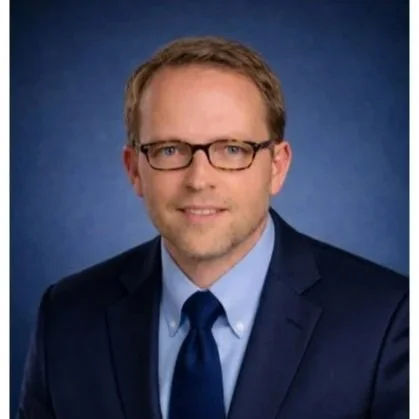
With an office in Bountiful, McAdams Law provides genuinely local representation backed by former felony prosecutor Andrew McAdams’s criminal-law experience. Each case receives direct attorney involvement in evidence review, defense strategy, negotiations, motion practice, and court preparation.
Davis County cases may begin with an arrest, citation, traffic stop, domestic call, search warrant, or contact from a detective. The first police report rarely tells the entire story. Important defenses may depend on why law enforcement initiated the contact, whether a detention or search was lawful, how statements were obtained, whether witnesses are reliable, and whether the evidence proves every required element.
Early legal review can help preserve video, electronic communications, witness information, and other evidence that may be lost with time. In cases that begin before charges are filed, representation during a criminal investigation can also help clarify where the matter is being screened, identify immediate risks, and allow the defense to address important issues before the prosecution’s account becomes firmly established.
McAdams Law represents clients throughout Davis County, including Bountiful, Layton, Farmington, Centerville, Kaysville, Clearfield, Syracuse, Clinton, North Salt Lake, Woods Cross, West Bountiful, Fruit Heights, West Point, and Sunset.
A Davis County Attorney Who Actually Knows This Community
Andrew McAdams grew up in West Bountiful, graduated from Bountiful High School, served on the West Bountiful Youth City Council as a teenager, and now maintains McAdams Law PLLC in Bountiful. That connection to Davis County is not a marketing angle. These are the roads, schools, neighborhoods, courts, and communities that shaped Andrew’s life before they became part of his criminal defense practice.
That local background matters because Davis County is not simply a smaller version of Salt Lake County or Weber County. Criminal cases here have their own rhythm. Some misdemeanor matters move through the Second District Court locations in Bountiful or Layton. Felony cases commonly move through the Second District Court in Farmington. Charging decisions may involve the Bountiful City Prosecutor, the Layton City Prosecutor’s Office, or the Davis County Attorney’s Office depending on the charge, the location, and the agency involved.
When someone hires McAdams Law to defend a Davis County case, they are not hiring a Salt Lake City firm that occasionally drives north for court. They are hiring a lawyer with deep Davis County roots, former prosecutor experience, and a defense practice focused on high-stakes criminal cases throughout Northern Utah.
Before focusing exclusively on defense work, Andrew served as a prosecutor. That background matters because many cases are shaped long before the first meaningful court hearing. The prosecutor may already have formed an early view of the case. A detective may already believe the evidence points in one direction. A police report may describe disputed facts as settled. The defense has to identify those problems early, especially when the case is still in the screening stage or when charges have just been filed.
A case that looks straightforward in a police summary may require immediate review of probable cause, body camera footage, search issues, witness credibility, digital evidence, and whether the prosecutor is seeing the full context. That is where early criminal investigation defense can make a meaningful difference.
How Criminal Cases Take Shape in Davis County
By the time a case reaches court, much of the groundwork has already been laid.
Officers have written reports. Evidence has been collected, searched, downloaded, photographed, tested, or seized. Statements may have been recorded. Body camera footage may exist. A prosecutor may already have reviewed the file and formed an early impression of how aggressively to proceed. From the outside, that process can make the situation feel settled, as though the only remaining question is how bad the outcome will be.
It is not settled. Not even close.
Many Davis County cases turn on decisions made before the first court date. Why did the police contact begin? Was the original stop lawful? Did the officer expand the investigation beyond what the law allowed? Was the person actually free to leave? Was consent voluntary, or did it come after pressure, confusion, or an unlawfully extended detention? Was a warrant based on reliable information, or did the affidavit leave out facts that would have mattered to a judge?
A stop in Layton may raise real questions about whether the officer had a valid legal basis for the detention. A search in Bountiful may be described as voluntary even though the circumstances suggest the person did not realistically feel free to refuse. An investigation filed in Farmington may rely on a witness statement that becomes far less certain when compared against messages, recordings, location data, or body camera footage.
Those are not technicalities. They are the constitutional foundation of serious criminal defense. If the State obtained evidence unlawfully, the defense may need to challenge the stop, detention, search, or seizure. In cases involving a home, vehicle, phone, business record, cloud account, or digital device, the defense may also need to evaluate whether search warrant defense issues apply.
How Davis County Cases Move Through the Local Courts
The city where a Davis County case begins can affect how the case moves at the beginning. A Bountiful misdemeanor may involve the Second District Court in Bountiful and the Bountiful City Prosecutor. A Layton misdemeanor may involve the Second District Court in Layton and the Layton City Prosecutor’s Office. A serious felony from anywhere in Davis County is commonly prosecuted by the Davis County Attorney’s Office and handled through the Second District Court in Farmington.
That means a case that begins with a Layton traffic stop, a Bountiful domestic call, a Clearfield drug investigation, a Syracuse weapons allegation, or a Kaysville theft accusation may move differently depending on the level of the charge and the prosecutor involved. The defense strategy should account for that difference from the beginning.
The path usually begins with an arrest, citation, summons, or investigative referral. In some cases, the prosecutor screens the case before deciding what charges to file. In others, charges are filed quickly and the defense has to move fast to address release conditions, preserve evidence, review discovery, and prevent the prosecution’s first version of the facts from becoming the only version that matters.
Felony cases create additional strategic pressure because the preliminary hearing may be the first meaningful opportunity to test the State’s evidence. A preliminary hearing is not a trial, but it can expose weaknesses, lock in testimony, clarify the State’s theory, and improve negotiation leverage. Treating that stage as a formality is often a mistake.
This is why Davis County defense work should begin with the local process, not just the name of the charge. The same offense can look very different depending on whether the case began with a city officer in Bountiful or Layton, UHP on I-15, a Davis County Sheriff’s investigation, or a detective-driven prefiling investigation.
To speak directly with an attorney about a Davis County criminal case, call McAdams Law PLLC at (801) 449-1247 or use the link below to schedule a confidential consultation.
When a Traffic Stop Becomes Something Much More
Many Davis County criminal cases begin on the road.
Davis County sits along one of Northern Utah’s busiest commuter corridors. Drivers move constantly between Salt Lake City, Bountiful, Farmington, Layton, Clearfield, Ogden, and the surrounding communities. I-15, Legacy Parkway, US-89, and the routes connecting toward I-80 create frequent law enforcement contact, especially during late-night hours, holiday weekends, commuter traffic, and targeted drug or impaired-driving enforcement.
A stop may begin with something minor: a lane deviation, speed allegation, equipment issue, following distance, or claimed failure to signal. The officer asks routine questions. Then the focus shifts. Where are you coming from? Where are you going? Have you had anything to drink? Is there anything in the vehicle? Do you mind if I take a look?
That transition is where many Davis County cases are won or lost.
A driver returning from Wendover may not realize how quickly conduct that seemed lawful or low-risk across the state line can become a Utah criminal problem. Marijuana purchased legally in Nevada can still create serious exposure once the person is stopped in Utah. Gambling-related cash may be interpreted suspiciously. A tired driver returning late at night may be described as impaired even when fatigue, stress, or poor driving conditions explain much of what the officer claims to observe.
A short stop can become a vehicle search. A vehicle search can become a drug case. A drug case can become a distribution allegation. A roadside search can also lead to a weapons issue, a phone seizure, or a broader investigation than the person expected when the lights first came on behind them.
The key question is not simply what police found. The question is whether police had the legal authority to get there. In many cases, the strongest defense begins with traffic stop defense and whether the officer unlawfully extended the stop beyond its original purpose.
If a stop on I-15, US-89, Legacy Parkway, or a local Davis County roadway produced evidence after prolonged questioning, claimed consent, a dog sniff, or a vehicle search, the defense should examine the timeline carefully. When the detention, search, consent, or K-9 deployment does not hold up, a suppression motion may change the entire case.
DUI Charges in Davis County Still Require Careful Review
DUI is common in Davis County because of the county’s geography and traffic patterns. UHP patrols the I-15 corridor, and local agencies monitor roads in Bountiful, Layton, Farmington, Kaysville, Clearfield, Syracuse, and surrounding communities. A case may begin after dinner in Bountiful, an evening near Station Park in Farmington, an event near Lagoon, a gathering in Layton, or a return trip through Davis County from Salt Lake City, Ogden, or Wendover.
But even when the charge is DUI, the defense often begins before the alcohol or drug evidence. Why was the vehicle stopped? Was the detention extended lawfully? Were field sobriety tests administered under fair conditions? Did fatigue, anxiety, injury, weather, lighting, medical issues, or nervousness affect what the officer claimed to observe?
A DUI arrest is not a DUI conviction. The defense should examine the full sequence, not just the final test result. In Davis County cases, DUI defense often overlaps with stop, detention, search, testing, and body-camera issues that may affect whether the State can rely on the evidence at all.
Drug Cases in Davis County Often Turn on How the Evidence Was Found
Drug charges in Davis County frequently begin as something else.
A traffic stop. A probation contact. A domestic call. A hotel investigation. A package, phone, or message that police interpret as distribution evidence. A case may begin with a local officer in Layton or Bountiful, UHP along I-15, or a broader investigation that eventually reaches prosecutor screening.
In simple possession cases, the question may be whether the State can prove knowledge, possession, and lawful discovery of the substance. In more serious cases, prosecutors may rely on quantity, packaging, cash, scales, phone evidence, location information, or alleged customer communication to argue possession with intent to distribute.
That is where major drug crimes defense requires more than arguing about what was found. The defense has to examine how the evidence was found, whether the stop was lawful, whether the search was valid, whether phone evidence was legally obtained, whether the State is overreading messages, and whether the alleged distribution theory is actually supported by admissible evidence.
Davis County drug cases also frequently overlap with search-and-seizure issues. If the case began with claimed consent, the defense should examine whether consent was voluntary. If the case involved a warrant, the defense should review whether the affidavit was truthful, complete, and supported by probable cause. If the case involved a K-9, the timing and reliability of that deployment may matter.
The State’s case often depends on the assumption that finding evidence ends the analysis. It does not. The defense begins by asking whether the State had the lawful right to find it.
Assault, Domestic Violence, and Cases Involving Allegations of Violence
Assault and domestic violence charges in Davis County often arise in situations where emotions were high, events moved quickly, and the police report captured only part of what actually happened.
A domestic call in Bountiful, Kaysville, Layton, Centerville, or Syracuse may lead to an arrest even when both sides describe the situation differently. A confrontation that one person viewed as defensive may be written as aggression once officers select the version they believe. Allegations involving threats, injury, weapons, or children can escalate quickly and create consequences beyond the criminal case itself.
Domestic violence cases can affect housing, no-contact orders, parenting, employment, firearms, professional licensing, and future background checks. That is why domestic violence defense should begin immediately, especially when the first report does not include the full context.
Some Davis County violence cases require an even broader defense strategy. Allegations involving serious injury, weapons, self-defense, strangulation, aggravated assault, robbery, or homicide exposure may require full serious violent felony defense before the prosecution’s early version becomes the only version being discussed.
The defense should examine the entire event: who called police, what was said, what was recorded, what injuries were documented, whether self-defense applies, whether witnesses were interviewed, and whether the State is treating a chaotic event as though it were simple and one-sided.
Felony Charges in Davis County
Felony charges in Davis County carry consequences of a different order entirely.
A felony can affect jail or prison exposure, firearm rights, employment, housing, immigration consequences, licensing, and long-term record eligibility. In Davis County, felony cases are commonly prosecuted through the Davis County Attorney’s Office and handled in the Second District Court in Farmington, regardless of whether the case began in Bountiful, Layton, Clearfield, Syracuse, Farmington, or another Davis County city.
The preliminary hearing is one of the most important early stages of a felony case. It is the point where the prosecution must present enough evidence to move forward. It is also an opportunity for the defense to test the State’s theory, expose weaknesses, preserve testimony, and begin building leverage.
Felony cases often involve constitutional and evidentiary issues. Drug distribution cases may depend on vehicle searches, phone extractions, warrants, informants, or controlled buys. Weapons cases may turn on whether the State can prove possession, restricted-person status, unlawful use, or the connection between the person and the firearm. Property cases may depend on identity, intent, value, restitution, or whether the State is overcharging conduct that belongs in a lesser category.
If the allegation involves a firearm, unlawful possession, discharge, brandishing, or a restricted-person issue, gun and weapons charges defense may require early analysis of both the criminal charge and the collateral consequences. If the allegation involves theft, fraud, burglary, criminal mischief, or receiving stolen property, property crimes defense may require careful attention to value, intent, restitution, and whether the evidence actually supports the level of offense charged.
Some felony cases involve financial records, business activity, employment issues, or allegations that money was obtained improperly. In those cases, white collar criminal defense often requires a very different approach than a street-level criminal case. Records, timelines, communications, intent, and restitution strategy may matter more than witness testimony alone.
Digital Evidence, Internet Allegations, and Sex Crimes in Davis County
More Davis County felony cases now involve digital evidence.
Police may rely on phone extractions, cloud records, social media accounts, screenshots, IP addresses, location data, messages, downloads, or online communications. That evidence can appear powerful, but it is not always complete, fairly interpreted, or lawfully obtained.
In internet-based cases, the defense has to ask difficult questions early. Who had access to the device or account? Was the search warrant broad enough to justify the seizure and review? Did police preserve the full context of the messages? Are screenshots reliable? Does the State have proof of identity, knowledge, and intent? Was the evidence obtained before or after a valid warrant?
Those questions are especially important in internet sex crimes defense and broader sex crimes defense, where the allegation itself can damage a person’s life before the evidence has been tested. A Davis County case involving digital evidence should not be evaluated only by reading the police summary. The defense needs to examine the underlying data, the warrant process, the extraction method, and the assumptions police used to interpret what they found.
If a person is facing charges, under investigation, or unsure whether police are building a case, the next step is to speak with an attorney before making decisions that may affect the outcome. Call McAdams Law PLLC at (801) 449-1247 or use the link below to schedule a confidential consultation.
Cities and Communities Served Throughout Davis County
McAdams Law represents clients throughout Davis County, including Bountiful, Layton, Farmington, Centerville, Kaysville, West Bountiful, North Salt Lake, Woods Cross, Clearfield, Syracuse, Clinton, West Point, Fruit Heights, and Sunset. The city where a case begins matters because it can affect which law enforcement agency investigated the case, which prosecutor reviews it, and where the first hearings take place.
Bountiful cases may involve the Second District Court in Bountiful and the Bountiful City Prosecutor in city-filed misdemeanor matters. Other cases that begin in Bountiful may move into county-level prosecution depending on the charge, the investigating agency, and whether the case is filed as a felony. Because McAdams Law is located in Bountiful, clients looking for a Bountiful criminal defense lawyer often want someone local without sacrificing high-level felony, investigation, and trial experience.
Layton cases may involve the Second District Court in Layton and the Layton City Prosecutor’s Office in city-filed misdemeanor matters. Other Layton cases, especially serious felonies, may be prosecuted through the Davis County Attorney’s Office and litigated in Farmington. For clients seeking a Layton criminal defense lawyer, that distinction can matter because the early strategy may depend on whether the case is moving through a city-level misdemeanor process or a county-level felony prosecution.
Farmington remains central to serious Davis County criminal defense because felony prosecutions are commonly handled through the Second District Court in Farmington and the Davis County Attorney’s Office. Prosecutor screening, release conditions, preliminary hearings, warrant issues, negotiations, and felony proceedings all make Farmington more than a geographic reference. It is often where the direction of a Davis County criminal case is shaped.
Cases from Clearfield, Syracuse, Clinton, Sunset, West Point, Kaysville, Centerville, North Salt Lake, Woods Cross, Fruit Heights, and West Bountiful can raise the same core defense issues: whether the stop was lawful, whether a search was valid, whether statements were obtained properly, whether the case was overcharged, and whether the evidence actually proves what the State claims. The size of the city does not determine the seriousness of the charge or the quality of defense the case deserves.
McAdams Law also represents clients in nearby jurisdictions, including Salt Lake County, Weber County, and Utah County criminal defense matters. Those counties move differently than Davis County. Salt Lake County has higher case volume and more structured screening. Weber County has its own prosecutor and court dynamics. Utah County’s growth, university communities, and expanding suburban corridors create a different rhythm. Understanding those differences matters when a client’s case, residence, work, or investigation crosses county lines.
Why Timing Is the Variable Most People Underestimate
One of the most consistent patterns in Davis County criminal cases is how much the earliest decisions affect everything that follows.
Evidence is easier to preserve when addressed immediately. Video may disappear. Witnesses may become harder to locate. Helpful context may never make it into the report. Administrative deadlines, especially in DUI cases, can expire quickly. Statements made before legal advice can become central evidence even when the person thought they were helping themselves.
If someone knows they are under investigation but has not been charged, that may be the most important stage of the entire case. Police may already be gathering evidence, speaking with witnesses, reviewing digital records, preparing warrants, or sending reports to prosecutors. A detective may present the conversation as informal or voluntary, but the result may shape the charging decision.
Early defense is not about overreacting. It is about making sure the next decision is not made blindly. By the time the case feels urgent, some of the most important options may already be gone.
Davis County Criminal Defense Questions That Matter Early
Can charges in Davis County be reduced or dismissed?
Yes. Charges in Davis County can sometimes be reduced or dismissed, but the reason matters. Dismissal often depends on whether the State can prove the case using evidence that was lawfully obtained and legally admissible. If the case began with an unlawful stop, an unsupported search, pressured consent, a defective warrant, unreliable identification, or statements obtained in violation of constitutional protections, the defense may be able to challenge the foundation of the prosecution.
Reduction may also be possible when the charge was overfiled, the evidence supports a lesser offense, witness problems weaken the State’s position, restitution can be addressed carefully, or a negotiated resolution can reduce long-term harm. In felony cases, Utah’s 402 reduction process may also become part of the broader strategy, depending on the charge, the outcome, and the client’s eligibility.
Where will a Davis County criminal case be heard?
The answer depends on the charge, the city, and the prosecutor involved. Some misdemeanor cases may be handled through the Second District Court locations in Bountiful or Layton, particularly when the case is filed by a city prosecutor. More serious felony cases are commonly prosecuted through the Davis County Attorney’s Office and handled through the Second District Court in Farmington.
That distinction matters because a city-filed misdemeanor may move differently than a felony screened by the county attorney’s office. The court location, prosecutor, release conditions, discovery process, and preliminary hearing rights can all affect how the defense should be built from the beginning.
What should someone do after being arrested or cited in Davis County?
The first step is to avoid making the situation worse. A person should not contact witnesses, argue with law enforcement, post about the case, explain the facts to police without legal advice, or assume the case is minor because the first paperwork looks simple. Early decisions can affect release conditions, driver’s license consequences, evidence preservation, negotiations, and whether the prosecution’s first version of the facts becomes the only version anyone sees.
The defense should begin by identifying the court date, the exact charge, the agency involved, whether there are no-contact conditions, whether any administrative deadlines apply, and whether evidence needs to be preserved immediately. Body camera footage, dispatch records, surveillance video, phone data, witness information, and search-related issues can become harder to address if too much time passes.
How serious is a misdemeanor conviction in Utah?
A misdemeanor conviction can be much more serious than people expect. A Class B misdemeanor can still appear on background checks, affect employment, complicate housing applications, create licensing issues, and influence how future allegations are treated. A Class A misdemeanor can carry up to 364 days in jail and may create consequences that feel much closer to a felony than many people realize.
That is why the defense should not focus only on getting through the next court date. A good resolution strategy should also consider employment, licensing, immigration concerns, firearm rights, driving privileges, expungement eligibility, and whether the outcome protects the client’s future as much as possible.
What if someone knows they are under investigation but has not been charged?
No one should assume that the absence of charges means nothing is happening. In Davis County, a prefiling investigation may involve local police, sheriff’s deputies, detectives, digital evidence, witness interviews, warrants, and prosecutor screening before the person under investigation fully understands the risk.
This is often one of the most important stages for criminal investigation defense because the prosecutor may not yet be locked into a charging decision. Early legal review can help preserve helpful evidence, prevent damaging statements, identify missing context, and determine whether the defense can influence the case before formal charges are filed.
Can evidence from a traffic stop or search be suppressed?
Yes. Utah and federal constitutional law limit when police can stop, detain, search, and question someone. If officers lacked reasonable suspicion, unlawfully extended a stop, pressured consent, searched without a valid legal basis, exceeded the scope of a warrant, or relied on a deficient warrant affidavit, the defense may ask the court to suppress the evidence.
In Davis County drug, DUI, weapons, and felony cases, suppression can be one of the most important issues in the case. If the State loses the evidence that supports the charge, the entire prosecution may change. That is why traffic stop defense often begins with the timeline: why the stop happened, when the original purpose of the stop ended, what facts justified any extension, and how the search actually occurred.
Does McAdams Law handle cases in smaller Davis County cities?
Yes. McAdams Law represents clients throughout Davis County, including Farmington, Centerville, Kaysville, West Bountiful, Woods Cross, North Salt Lake, Clearfield, Syracuse, Clinton, West Point, Fruit Heights, Sunset, Bountiful, and Layton. The size of the city where the case began does not determine the seriousness of the charge or the quality of defense the case deserves.
A case from a smaller Davis County community can still involve jail exposure, probation, license consequences, firearm restrictions, immigration concerns, employment problems, protective orders, or felony prosecution in Farmington. The defense should be built around the facts, the charge, the prosecutor, the evidence, and the long-term consequences — not the size of the city where the police contact occurred.
What is the difference between a felony and a misdemeanor in Utah?
Misdemeanors in Utah are classified as Class A, B, or C. Class A misdemeanors carry the most serious misdemeanor exposure, including up to 364 days in jail. Felony charges are classified as first, second, or third degree, with first-degree felonies carrying the most serious sentencing exposure.
The classification affects court procedure, sentencing risk, preliminary hearing rights, negotiation strategy, collateral consequences, and long-term record issues. In many cases, the difference between a felony and misdemeanor outcome depends on how early and how aggressively the defense challenges the State’s evidence, whether the case was overcharged, and whether the facts support a reduced or alternative resolution.
Protecting What Comes Next in a Davis County Case
A criminal case in Davis County does not have to define what follows.
What matters now is how carefully the case is examined, where the investigation can be challenged, whether the State can prove what it claims, and whether the defense strategy is built around the actual facts rather than assumptions in a police report.
McAdams Law PLLC represents clients throughout Davis County, including Bountiful, Layton, Farmington, Centerville, Kaysville, Clearfield, Syracuse, Clinton, North Salt Lake, Woods Cross, West Bountiful, Fruit Heights, West Point, and Sunset. The firm also represents clients in nearby Salt Lake County, Weber County, and Utah County matters where local court practice, prosecutor screening, and early evidence review can shape the direction of the defense.
To speak directly with an attorney about a Davis County criminal case, call McAdams Law PLLC at (801) 449-1247 or use the link below to schedule a confidential consultation.