


Charged with Enticing a Minor in Utah
When Does Messaging Become Enticing a Minor in Utah
Utah Enticing a Minor Defense Attorney
Defense Against Enticing a Minor Charges in Utah
An accusation of enticing a minor can instantly place a person’s reputation, career, and freedom at risk. These allegations are among the most aggressively prosecuted internet sex crime charges in Utah. Investigations frequently involve months of digital surveillance, undercover operations, and detailed analysis of online communications. A single allegation can lead to felony charges, prison exposure, and long term consequences that affect employment, housing, and personal relationships.
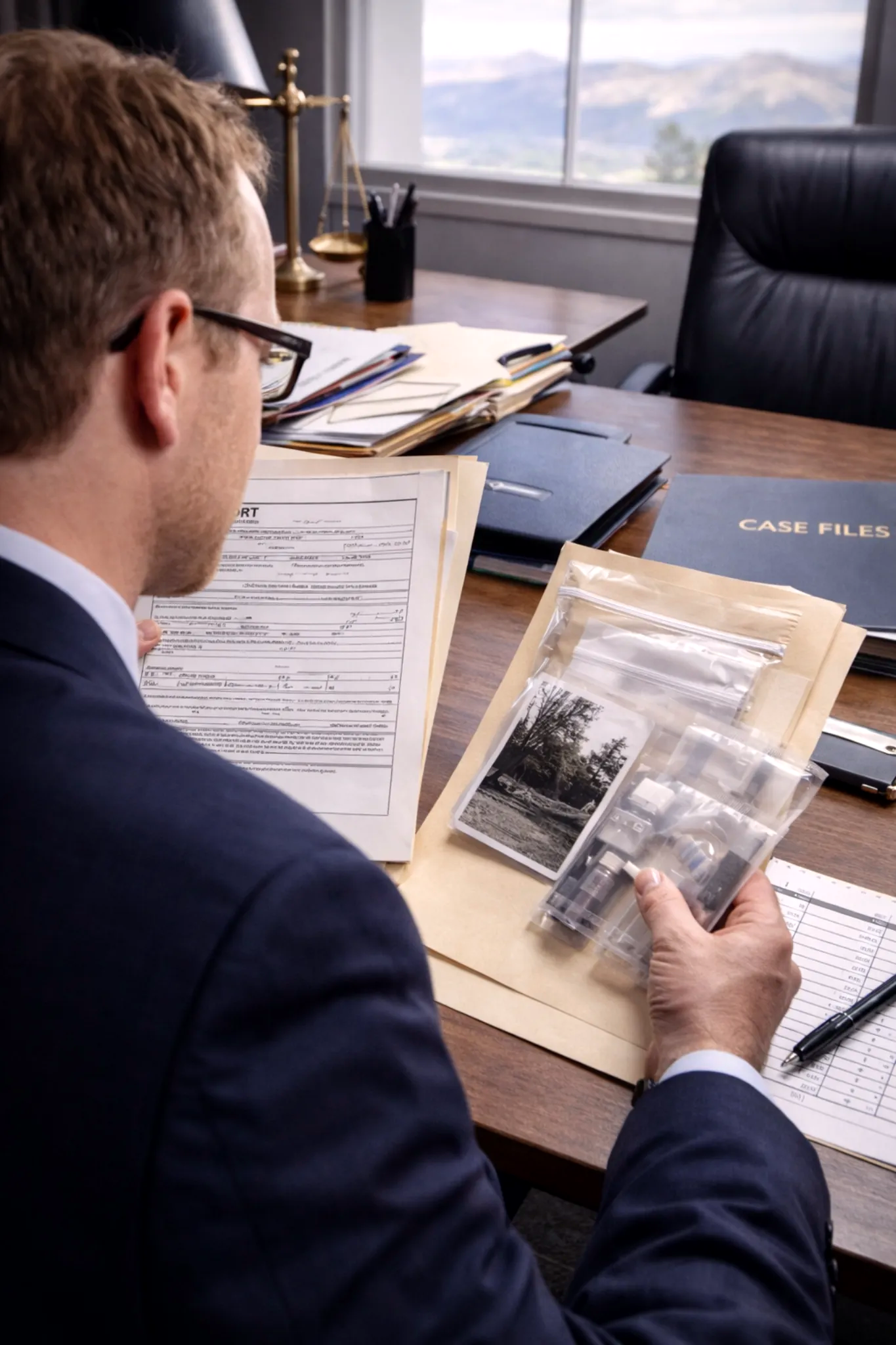
Many individuals facing these allegations feel overwhelmed, confused, and uncertain about what evidence law enforcement may have collected. Prosecutors often present digital conversations in ways that appear damaging when taken out of context. A careful legal review of the evidence, the investigative methods used by law enforcement, and the intent required under Utah law can significantly affect how a case unfolds.
Andrew McAdams is a Utah criminal defense attorney and former prosecutor who has spent decades working inside the criminal justice system. His background prosecuting criminal cases provides insight into how investigators build internet crime cases and how prosecutors evaluate digital evidence before filing charges. Today that experience allows him to analyze the prosecution’s strategy, identify weaknesses in the evidence, and build strategic defenses designed to protect his clients.
McAdams Law PLLC represents individuals accused of enticing a minor and related internet sex offenses throughout Northern Utah, including Davis County, Weber County, Salt Lake County, Utah County, Tooele County, Summit County, Box Elder County, and Cache County.
Understanding Enticing a Minor Charges Under Utah Law
Utah law makes it a criminal offense to communicate with someone believed to be under the age of eighteen with the intent to engage in unlawful sexual conduct. Many of these cases arise from online communications through messaging applications, text messages, social media platforms, or internet forums.
In a large percentage of cases the alleged minor is actually an undercover law enforcement officer participating in an online sting operation. Investigators often pose as minors and wait for individuals to initiate or continue conversations that can later be interpreted as criminal conduct.
To obtain a conviction prosecutors must prove specific legal elements, including that the defendant believed the person was a minor and communicated with the intent to engage in unlawful activity. Because the statute focuses heavily on intent and interpretation of communication, many cases involve disputes about the meaning of messages, the context of conversations, and the actions of investigators during the operation.
Potential Penalties for Enticing a Minor in Utah
Enticing a minor charges are typically prosecuted as serious felony offenses. The penalties associated with these allegations can be severe and may have life altering consequences.
Possible consequences of a conviction may include prison sentences that depend on the level of the charge and the circumstances involved. These penalties may include:
Mandatory registration on the Utah Sex Offender Registry.
Lengthy probation supervision and monitoring conditions.
Restrictions that affect employment opportunities and professional licensing.
Limitations on housing and residency options.
Long term damage to personal and professional reputation.
Because these consequences can follow a person long after a criminal case has ended, early legal representation can play a critical role in protecting a person’s rights and evaluating potential defenses.
How Enticing a Minor Investigations Often Begin
Many enticing a minor cases originate through online sting operations conducted by law enforcement. Officers may create profiles that appear to belong to minors and communicate with individuals through various online platforms.
Investigations frequently involve detailed monitoring of conversations and the collection of digital communications. Messages may be preserved, recorded, and analyzed as part of a larger investigation designed to establish intent.
In some situations investigators attempt to arrange an in person meeting with the suspect. Arrests often occur when the individual arrives at the designated location.
These operations can be complex and may involve multiple officers, digital forensic analysis, and coordination with prosecutors before charges are filed. Because the investigation often begins long before an arrest occurs, individuals may not realize they are under investigation until law enforcement makes contact.
Evidence Commonly Used in Enticing a Minor Case
Digital evidence forms the foundation of most enticing a minor prosecutions. Investigators frequently collect large volumes of electronic data in an attempt to establish criminal intent.
Evidence presented in these cases may include:
text messages and chat conversations.observation of alleged driving violations
roadside questioning by police officers
field sobriety testing
portable breath testing
arrest and booking
chemical breath or blood testing
While digital evidence can appear persuasive at first glance, the context of these communications is often critical. Conversations may be incomplete, misunderstood, or interpreted differently when examined carefully.
A thorough defense strategy frequently involves reviewing the full timeline of communications, identifying investigative methods used during the operation, and evaluating whether the prosecution can actually prove the intent required under Utah law.
Related Charges and Issues That Often Arise in These Cases
Individuals facing allegations of enticing a minor are often dealing with more than a single charge. These cases frequently involve overlapping issues that may expand the scope of the investigation or lead to additional charges. For example, a situation that begins with online communication may also raise questions about possession or distribution of explicit material, unlawful sexual conduct, or attempted sexual exploitation. In some cases, law enforcement may pursue charges related to electronic communication harassment, use of a computer to commit a crime, or even obstruction if there are concerns about deleted messages or altered accounts.
These cases frequently extend beyond the messages themselves, particularly when investigators analyze how the communication was initiated, maintained, and responded to over time. As evidence is reviewed, additional exposure may arise for offenses such as computer crimes or providing false information to police if there are disputes about identity or intent. These matters are often connected to broader issues addressed within Sex Crimes and Internet Investigations and may also intersect with Obstruction and Investigation Crimes.
Enticing a Minor Defense Across Northern Utah
McAdams Law represents individuals facing enticing a minor allegations, internet sting investigations, and related sex crime charges throughout Northern Utah, including Salt Lake County, Davis County, Weber County, Utah County, Summit County, Cache County, Box Elder County, and Tooele County. Although the same Utah statutes apply statewide, these cases can develop differently depending on the court, prosecutor, investigating agency, and digital evidence involved.
In Salt Lake County, cases may arise from Salt Lake City, West Jordan, Sandy, Draper, West Valley City, South Jordan, Murray, Taylorsville, and surrounding communities. These prosecutions are often handled in busy district courts and may involve specialized investigators, undercover operations, online communications, phone extractions, social media records, and detailed pretrial release conditions. Summit County cases, including matters connected to Park City and nearby areas, may involve local agencies working with broader regional or state investigative resources.
In Davis County, including cases from Bountiful, Layton, Farmington, Clearfield, Kaysville, and nearby communities, enticing a minor investigations may involve coordination between local police departments, county prosecutors, and internet crime task force officers before charges are filed. Weber County cases, including matters from Ogden, Roy, Riverdale, South Ogden, and North Ogden, may raise similar issues involving undercover messaging, device evidence, search warrants, identity, intent, and the full context of the communications.
Utah County cases, including matters from Provo, Orem, Lehi, American Fork, Spanish Fork, and surrounding cities, may involve detailed preliminary hearing practice when the State relies heavily on online conversations, officer testimony, and forensic summaries. Cache County and Box Elder County cases, including matters from Logan, Brigham City, Tremonton, and nearby communities, may move on different timelines but still require careful review of the same core evidence. Tooele County cases, including matters from Tooele, Grantsville, and surrounding areas, can involve local court procedures along with broader investigative coordination.
Defending an enticing a minor case requires more than reading selected messages from a police report. The defense should review the complete communication history, the undercover tactics used, the search warrant process, device extraction reports, alleged identity evidence, intent evidence, and whether law enforcement or prosecutors are interpreting the conversation fairly. In serious internet based prosecutions, early strategy matters because the case can be shaped long before trial by statements, evidence preservation, release conditions, suppression issues, and preliminary hearing preparation.
Cities Served Throughout Northern Utah
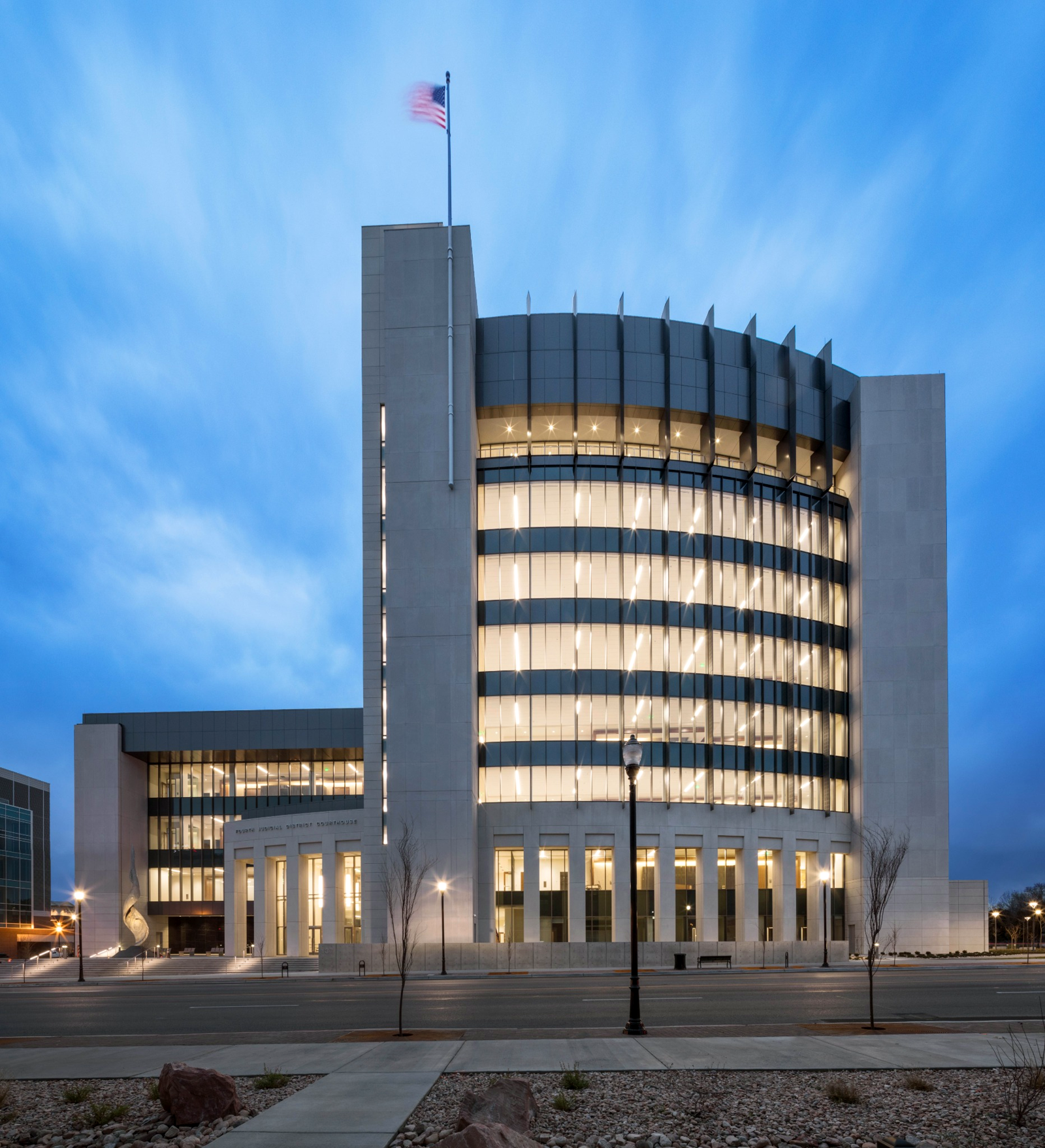
McAdams Law PLLC represents individuals facing serious criminal allegations throughout Northern Utah. Clients often come from communities across the region where internet based investigations and felony prosecutions are handled in district courts serving the surrounding cities.
Salt Lake City
Holladay
Millcreek
South Jordan
Farmington
Kaysville
Layton
Bountiful
Ogden
North Ogden
Pleasant View
Riverdale
Provo
Orem
Lehi
American Fork
Cottonwood Heights
Sandy
Draper
Logan
North Logan
Providence
Tooele
Stansbury Park
Park City
Snyderville
Brigham City
Perry
Strategic Defense Preparation in Serious Criminal Cases
Serious felony accusations require careful preparation and a defense strategy that is designed from the outset with trial readiness in mind. Prosecutors often assume that defendants will accept plea negotiations once the weight of the charges becomes clear. Strategic defense preparation can significantly change that dynamic.
A thorough defense approach involves analyzing investigative procedures, challenging questionable evidence, and preparing the case as if it may ultimately be presented to a jury. When a case is prepared with that level of attention and detail, it often improves the ability to negotiate favorable outcomes while still protecting the client’s constitutional rights.
Attorney Reputation and Client Protection
Individuals facing accusations involving internet sex crimes often seek representation from attorneys with substantial courtroom experience and a reputation for serious criminal defense work.
Andrew McAdams has spent decades working within Utah’s criminal justice system. His experience as a former prosecutor provides insight into how prosecutors evaluate cases and how defense strategies can be structured to challenge the state’s evidence.
Clients rely on McAdams Law PLLC for careful case analysis, strategic legal guidance, and focused protection of their rights at every stage of the criminal process.
Frequently Asked Questions About Enticing a Minor Charges in Utah
What should I do if I am accused of enticing a minor in Utah?
Anyone accused of an internet sex offense should speak with a defense attorney before communicating with law enforcement. Statements made during an investigation can later be used as evidence in court. Obtaining legal guidance early can help protect your rights and prevent actions that may harm your defense.
Do enticing a minor investigations always involve actual minors?
Many cases involve undercover law enforcement officers posing as minors during online sting operations. Investigators may create profiles on social media platforms, messaging apps, or internet forums in order to identify individuals they believe are attempting to communicate with minors.
What penalties can enticing a minor convictions carry in Utah?
Penalties depend on the specific charge and circumstances involved but may include prison sentences, probation supervision, and mandatory registration on the Utah Sex Offender Registry. These consequences can affect employment opportunities, housing options, and personal reputation for many years.
Can enticing a minor charges be challenged in court?
Yes. These cases often involve disputes over digital evidence, investigative procedures, and the interpretation of online communications. Careful legal analysis may reveal weaknesses in the prosecution’s case or defenses that significantly affect the outcome.
Can I be charged if the other person was actually an undercover officer?
In many Utah investigations the person believed to be a minor is actually an undercover law enforcement officer. Prosecutors may still pursue charges if they believe the communications show intent to engage in unlawful conduct with someone believed to be under eighteen.
Will I have to register as a sex offender if I am convicted?
Many convictions related to enticing a minor carry sex offender registration requirements. The length and conditions of registration depend on the charge, the disposition of the case, and other legal factors.
Can police use text messages or social media messages as evidence?
Prosecutors frequently rely on digital evidence such as text messages, chat logs, emails, and social media communications. The context of those messages, how they were obtained, and how they are interpreted can play a significant role in the case.
When should I contact a defense attorney if I think I am under investigation?
You should contact a defense attorney as early as possible if you believe law enforcement may be investigating you. Early legal representation allows an attorney to review the situation, protect your rights during any investigation, and begin developing a strategic defense.
Speak With a Utah Enticing a Minor Defense Attorney
If you have been accused of enticing a minor or another internet related sex offense in Utah, it is important to seek experienced legal guidance as early as possible. Early representation allows a defense attorney to review the evidence, protect your rights during the investigation, and begin building a strategic defense.
Andrew McAdams of McAdams Law PLLC provides experienced criminal defense representation for individuals facing serious allegations throughout Northern Utah.
Call (801) 449-1247 or schedule a confidential consultation to discuss your situation and begin preparing your defense.